The Best Practices Hub
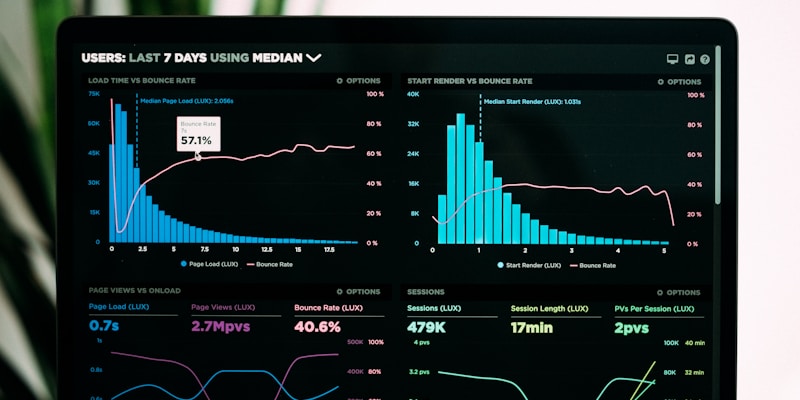
Google maintains a Best Practices hub covering Search, Display, PMax, Video, Shopping, Demand Gen, Apps, Local, and measurement. These guides are written by the people who built Google Ads. They represent Google’s official recommendations. And most of them are genuinely useful—but some require a practitioner’s filter.
via Google Ads YouTube channel
Where Google Gets It Right
Conversion tracking setup guidance: excellent. Creative diversity recommendations: correct. Smart Bidding adoption path: sound for accounts with sufficient data. Experiments framework for testing changes: genuinely useful and underutilized. Data Manager for consolidating first-party data: long overdue and welcome. The new AI Essentials 2.0 framework is a good self-assessment tool.
Where Practitioners Should Think Differently
PMax as a default recommendation: Google positions PMax as the primary recommendation for most advertisers. In reality, PMax works best as a complement to Search, not a replacement. Start with Search to establish baseline performance, then add PMax for incremental volume. Accounts that go PMax-only lose the keyword-level insight and control that Search provides.
Broad match for everything: Google recommends broad match combined with Smart Bidding as the default keyword strategy. This works in high-volume accounts with strong conversion data. In low-volume accounts, broad match burns through budget on tangentially related queries. Start with exact and phrase match to build data, then test broad match expansion.
Following all Recommendations tab suggestions: The Recommendations tab mixes genuinely good suggestions (fix broken tracking) with self-serving ones (increase budget, add more campaigns, expand targeting). Apply an optimization score of 80-90%—not 100%. Dismissing irrelevant recommendations is a feature, not a failure.
Removing keyword-level management: Google’s trajectory is making keywords optional. AI Max for Search, PMax, and Demand Gen all use keywordless targeting. But keywords remain the most precise signal of intent. Until AI targeting proves it can match the precision of a well-manahine learning technology visualization